



Uncategorized
Major Engine Overhaul: Addressing the Issue and Ensuring Supply
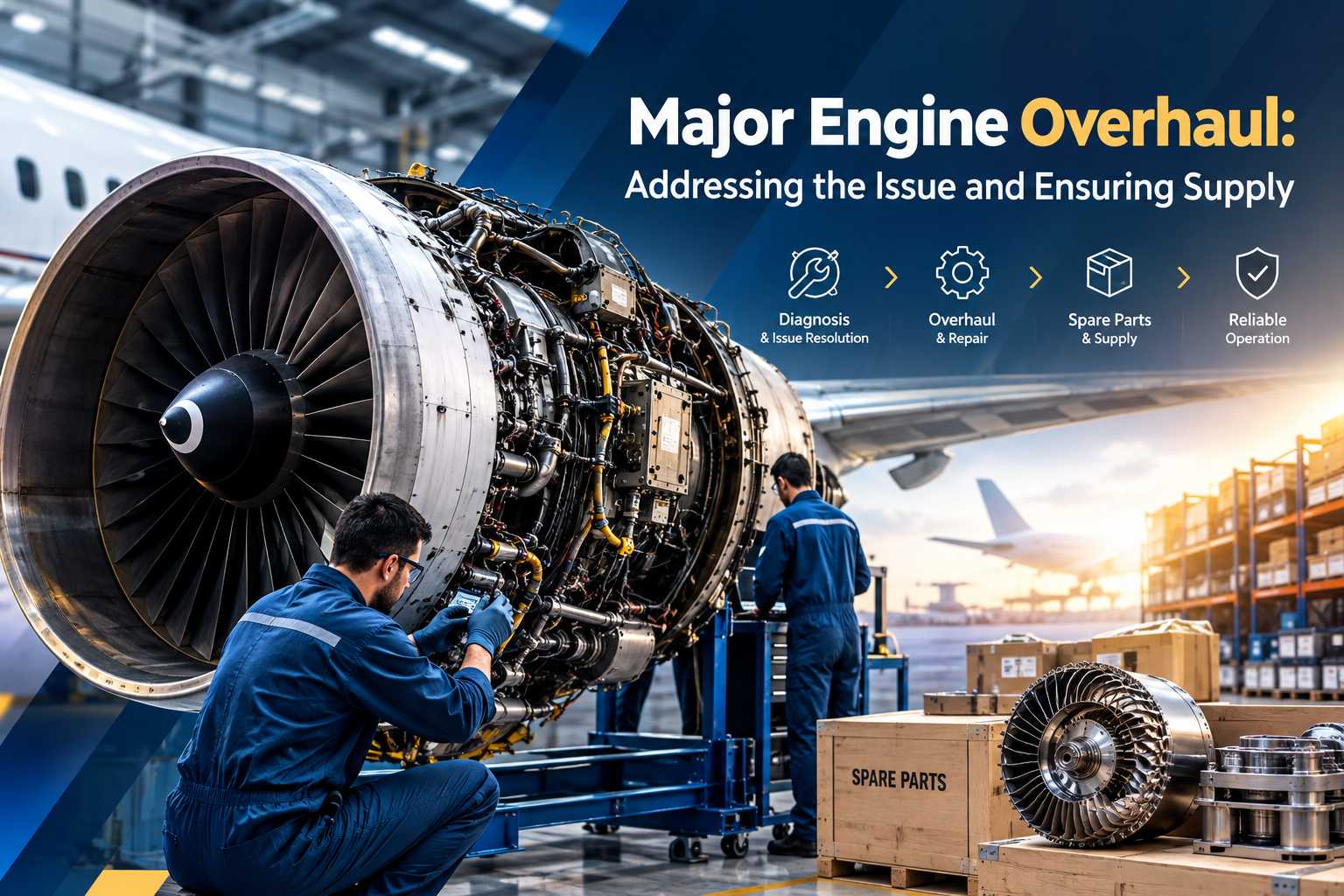
Experts confirm that the engine overhaul business is thriving, driven by an aging fleet and increased aircraft utilization following the pandemic. They explain that recent years have witnessed significant changes, including technological advancements, a shift toward predictive maintenance, and economic pressures influencing maintenance practices.
According to experts, demand for engine overhaul services has risen due to the expanding global fleet, the return of aircraft to service post-pandemic, and high utilization rates of new-generation aircraft.
Regarding evolving customer needs, the focus on cost-efficiency, rapid turnaround times, strict regulatory compliance, and sustainability reflects the changing demands of the aviation industry. Significant growth has been achieved over the past few years through investments in new-generation engines, facility upgrades, and the reliability gained from sustained business expansion.
Supply Chain
Experts state that the engine overhaul sector is currently facing significant supply chain issues, particularly affecting the availability and timely delivery of parts.
Delays in parts delivery have placed the supply chain under strain, experts note. Extended lead times for procuring parts have become a major challenge, impacting maintenance schedules.
Additionally, shortages and rising costs of raw materials used in engine components—such as metals and composites—are affecting parts availability and pricing. Finally, global logistics challenges, including shipping delays and increased transportation costs, have further exacerbated supply chain difficulties. Opportunities and Challenges
The influx of used parts, driven by rising demand, has disrupted traditional repair models. However, significant opportunities for partnerships with repair and refurbishment companies have emerged; these collaborations can enable overhaul providers to offer cost-effective solutions and meet the growing demand for affordable engine maintenance and repair options.
Overall, the engine overhaul sector must adapt by shifting its focus away from high-cost repairs and instead leveraging the benefits of used parts through strategic partnerships and innovative repair solutions.
Experts identify cost pressures and labor shortages as the two primary challenges facing the engine overhaul industry over the next five years. Rising costs—spanning labor, parts, and regulatory compliance—are squeezing profitability for overhaul providers. Simultaneously, a shortage of skilled technicians and engineers poses a major challenge, creating an urgent need for significant investment in training.
A critical challenge in the overhaul sector is the shortage of qualified professionals, a situation further exacerbated by forecasts for the aviation industry. The global fleet is projected to grow by 28% over the next decade, while 30% of current aircraft maintenance technicians are expected to retire, resulting in a projected shortfall of between 12,000 and 18,000 technicians.