



Predictive maintenance transforms operations.
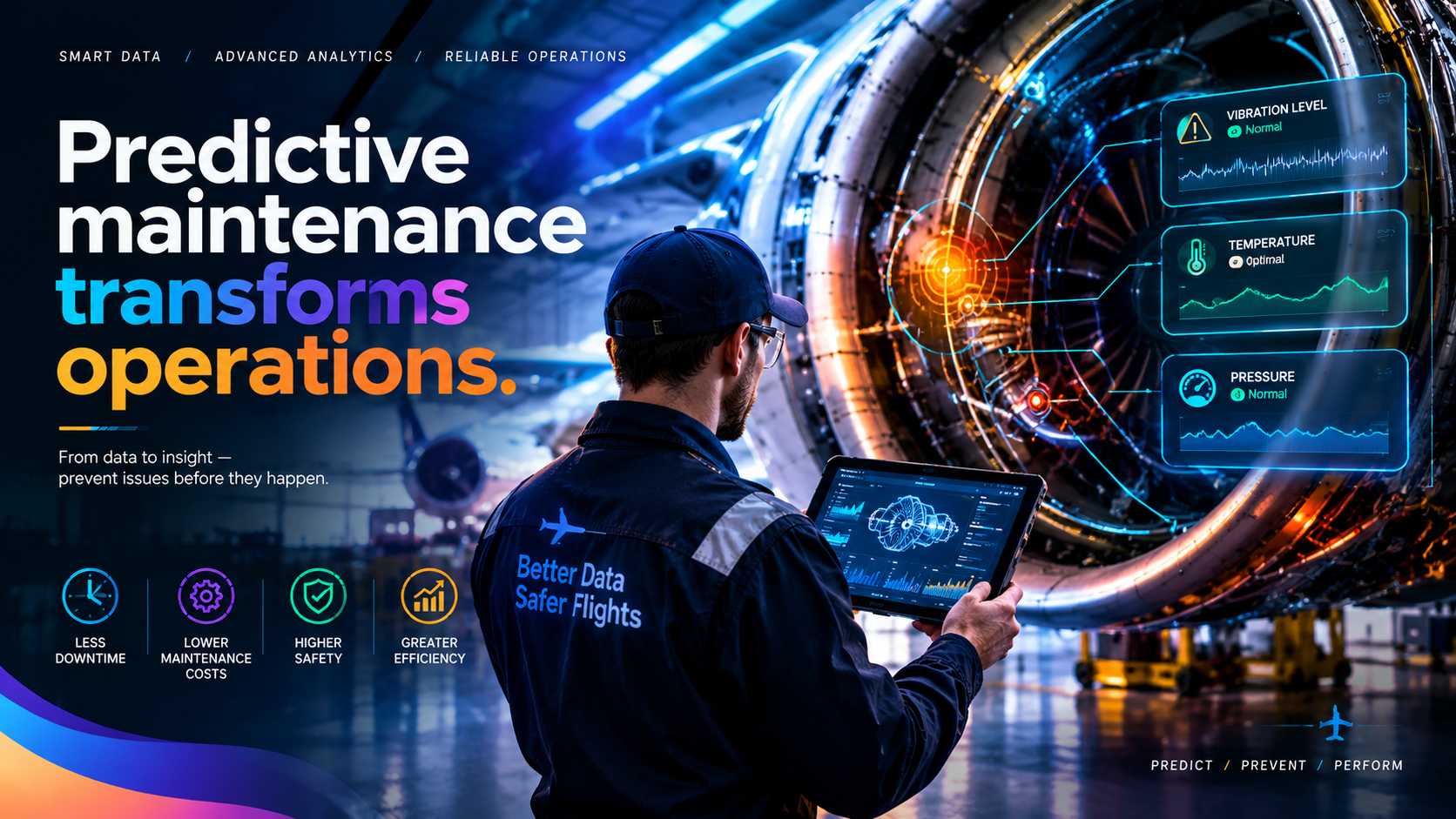
Today, industries are constantly struggling to maintain equipment reliability, reduce maintenance and repair costs, improve safety, and prevent costly equipment failures. Traditional maintenance strategies often rely on reactive approaches, addressing problems only after machinery breaks down. However, as artificial intelligence and machine learning continue to shape the future of maintenance, businesses are moving toward predictive and prescriptive maintenance strategies to stay ahead of failures and keep operations running smoothly.
The Power of Predictive and Prescriptive Maintenance
Every business knows the pain caused by unexpected equipment failures. Operations come to a halt, deadlines are missed, safety incidents occur, and costs skyrocket. For industries such as manufacturing, healthcare, and energy, this downtime is not just a temporary setback. It can lead to significant financial losses, reduced productivity, and even serious safety risks.
Predictive maintenance provides a solution by using AI-driven analytics and real-time data to predict the likelihood of equipment failure. By analyzing data from IoT sensors, machine performance reports, and other systems, predictive analytics can provide early warnings of potential equipment failures, allowing businesses to schedule maintenance before a breakdown occurs. This proactive approach minimizes downtime and helps prevent disruptions.
However, things get even better with prescriptive maintenance, which goes beyond simply predicting failures. Prescriptive analytics recommends the best course of action to address a problem—whether it involves adjusting machine settings, ordering a replacement part, or scheduling a technician. This ensures that every intervention is timely and efficient, reducing costs while maximizing equipment uptime.
Why Is Equipment Downtime a Business Killer?
Let’s take a closer look at the impact of equipment failures. Every minute of downtime results in a direct loss of revenue and productivity, but it can also lead to higher maintenance costs, damaged equipment, risk of injury, and delays in fulfilling orders. For industries that rely heavily on machinery to operate—whether factory equipment, medical devices, or power plants—downtime has a direct impact on profitability.
Reactive maintenance is often performed too late—when a machine breaks down, the damage has already been done. With predictive maintenance, however, businesses can potentially prevent these failures altogether. By using AI-driven maintenance strategies, organizations can shift from reacting to failures to predicting and preventing them.
A 30–50% reduction in breakdowns is only the beginning. Businesses that use machine learning in maintenance can extend the lifespan of critical assets by 20–40% and reduce costs by up to 40%. These savings quickly add up, improving profitability while keeping operations running smoothly and delivering a tenfold return on investment.
The Technical Challenge of Implementing Predictive and Prescriptive Maintenance
While the benefits of predictive maintenance are clear, implementing it comes with technical challenges. Businesses generate enormous amounts of data from IoT sensors, machine logs, and real-time monitoring systems. The key challenge is integrating this data and processing it quickly enough to generate useful insights.
This is where AI-driven maintenance truly shines. With the help of predictive analytics and machine learning, companies can analyze massive streams of data in real time. However, the challenge is ensuring that these models remain accurate and adaptable as equipment changes over time. Continuous data integration, real-time analytics, and accurate model training are essential for the success of predictive and prescriptive maintenance systems.
In addition, businesses need scalability to manage the growing amount of data generated by expanding operations. Whether you are dealing with thousands of IoT sensors across multiple factories or medical devices generating millions of data points, your system must be able to scale without compromising speed or accuracy. Finally, data security and privacy concerns must also be addressed, particularly when dealing with sensitive operational information.
Real-World Predictive Maintenance Success Stories
Philips
Philips faced a challenge related to the reliability of its medical equipment. By implementing an open-source analytics database, Philips reduced equipment downtime by 30% and increased its first-time fix rate to 84%, while identifying 20% of issues before they even affected customers. This proactive approach ensures that medical professionals can rely on critical equipment without the risk of unexpected failures.
Knorr-Bremse
Knorr-Bremse, a leading provider of braking systems for rail and commercial vehicles, needed real-time insights into the performance of its fleet. By leveraging AI, the company reduced maintenance costs by up to 20% and extended the lifespan of its equipment. This allowed them to achieve a significant return on investment within 2–4 years by addressing maintenance issues before they escalated.
HP
As HP experienced 600% customer growth, it needed a scalable solution to manage the influx of data from its storage systems. By implementing an open-source solution, the company reduced query times by 50–83% and enabled real-time system insights. They also reduced support cases by 86% and experienced 19% fewer annual customer support contacts, significantly improving customer satisfaction.